

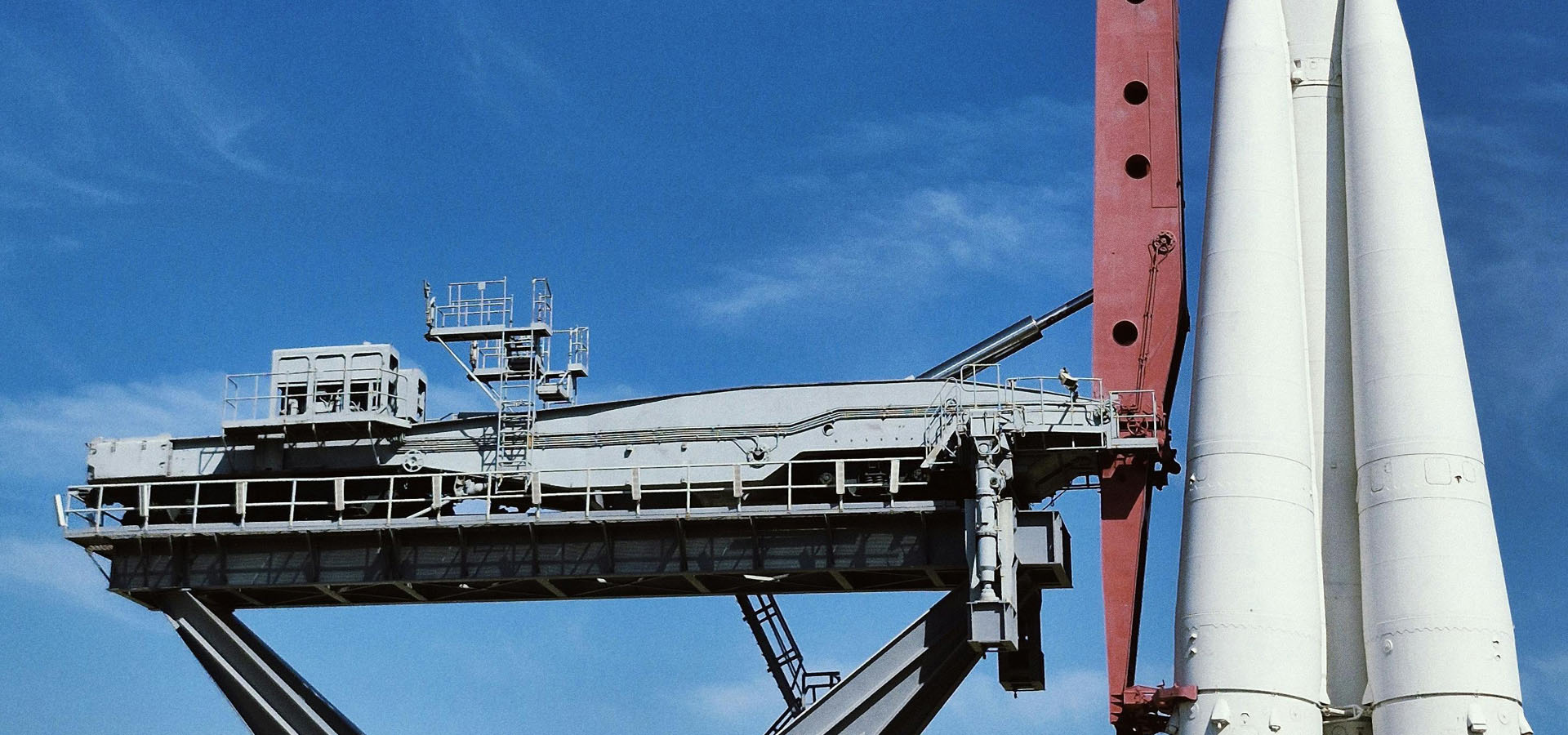
Industrial robotic arms, with their advantages of high-precision control, multi degree of freedom motion, strong load capacity, and hazardous environment substitution, have been deeply integrated into core processes such as spacecraft manufacturing...
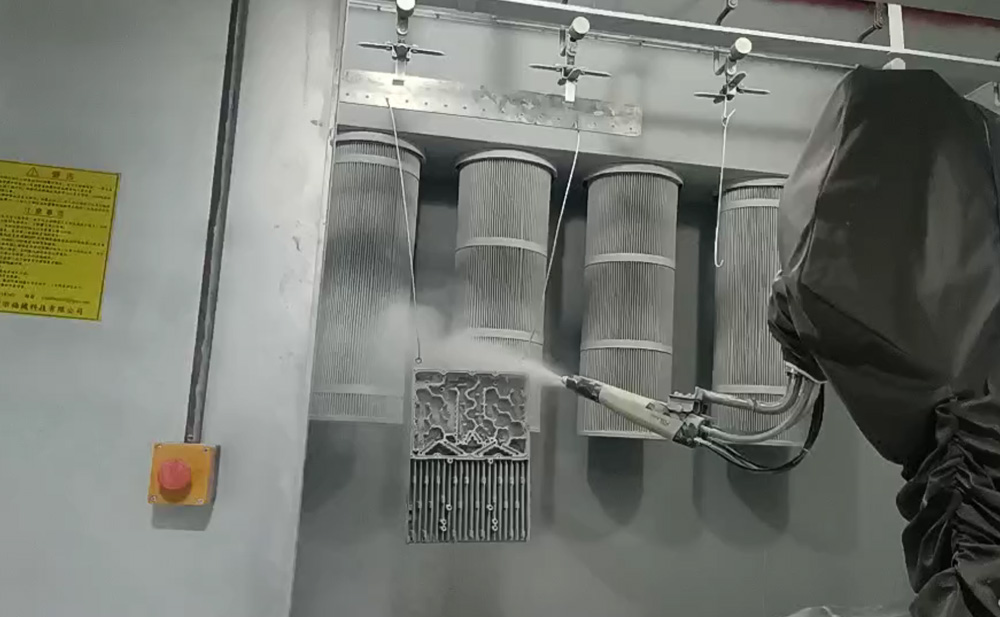
As the core heat dissipation component of electronic devices and power machinery, the heat dissipation shell is widely made of lightweight metal materials such as aluminum alloy and steel. Its surface powder coating needs to have good corrosion resistance, thermal conductivity compatibility, and surface flatness. Traditional heat dissipation shell powder spraying relies on manual operation, which is affected by its hollow structure, thin-walled design, and multi cavity characteristics. It is prone to problems such as missed spraying, uneven coating, low powder recycling and utilization rate, and low production efficiency, making it difficult to adapt to large-scale standardized production needs.
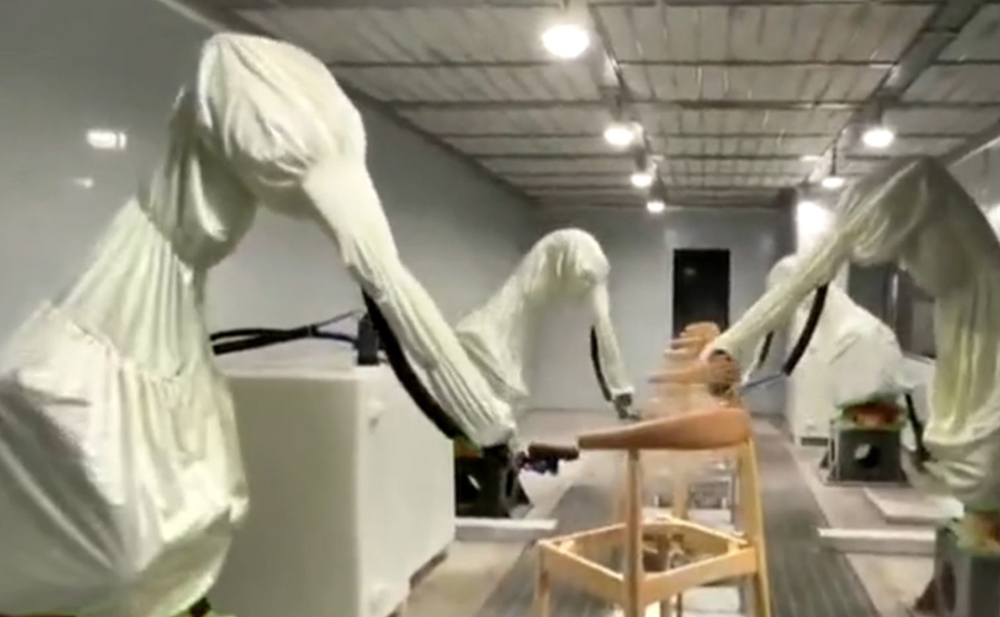
For a long time, the furniture painting process has been highly dependent on manual operation, and many inherent drawbacks have seriously constrained the high-quality development of the industry, mainly reflected in the following three dimensions: Firstly, the production efficiency is low and the production capacity is limited. Due to factors such as physiological limits and fatigue, manual painting cannot achieve continuous operation, and the daily spraying volume of a single production line is generally low. Secondly, the spraying quality is unstable and the defect rate is relatively high. Furniture workpieces often have complex curved surfaces, corner gaps, and other structural difficulties. The uniformity of manual painting is difficult to guarantee, and defects such as color difference, sagging, orange peel, and missed spraying are prone to occur. The emergence of these problems is directly related to the proficiency, operational techniques, and even emotional state of workers, resulting in significant fluctuations in product quality and high customer complaint rates.
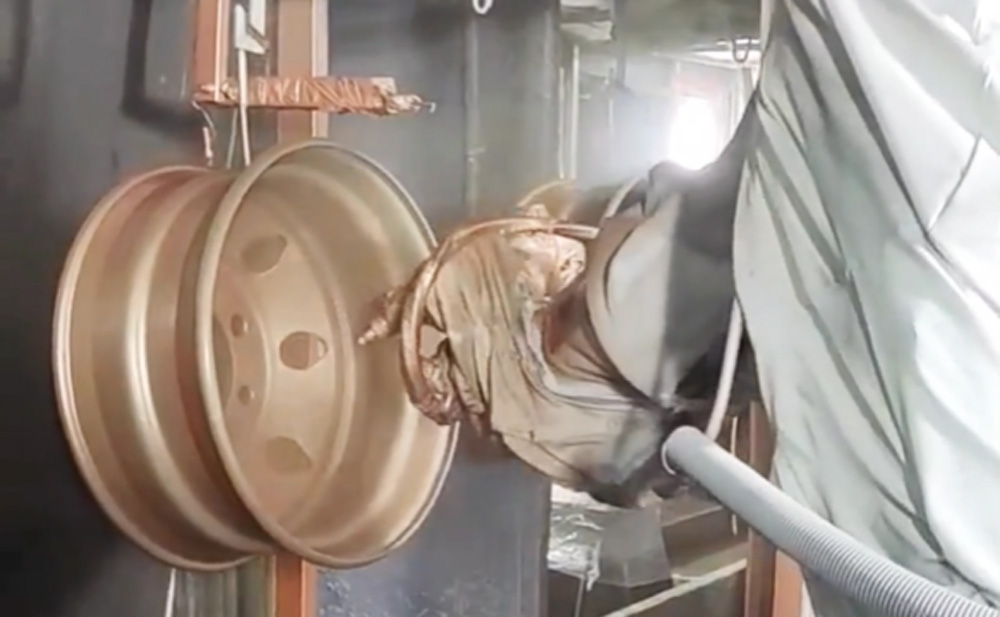
As the core exterior components and load-bearing structure of vehicles, the spray quality of car wheels directly affects the vehicle\'s appearance, anti-corrosion performance, and service life. Traditional wheel hub painting relies on manual operation, which has pain points such as poor coating uniformity, significant color difference, excessive VOC emissions, and low production efficiency, making it difficult to adapt to the high standardization and large-scale production needs of the automotive industry.
COPYRIGHT © 2025 Shenzhen Boming Robot Technology Co., Ltd 粤ICP备2026007718号-1


Official WeChat
 131 6633 3303
